Cuban Bakery Aurora CO: Fresh Bread, Pastries, and More
Walk into a good Cuban bakery early in the morning and you can tell, almost immediately, whether the place takes bread seriously. The air carries butter, toasted flour, sugar beginning to caramelize, and the clean, yeasty warmth of dough that has had enough time to develop flavor. Trays come out in waves. Someone is boxing pastries while another customer is already asking whether there is more pan cubano in the back. The room feels busy, but not rushed. That rhythm matters.
For anyone searching for a Cuban bakery Aurora CO locals would return to more than once, freshness is not a marketing detail. It is the whole point. Cuban baking lives in the daily cycle of production. Bread is best within hours. Pastries have a short window where the texture is exactly right. Savory items need crisp exteriors and well-seasoned fillings, not a heat-lamp compromise. When a bakery gets those details right, it does more than sell food. It gives a neighborhood a dependable place to start the day, pick up lunch, or bring home a box that disappears before dinner.
Aurora is the kind of city where that experience makes sense. It has the population, the diversity, and the practical food culture that supports bakeries built around regulars rather than one-time novelty. People want breakfast they can actually carry to work, bread that works on a pressed sandwich, desserts that feel celebratory without becoming fussy, and coffee that knows its role. A Cuban bakery fits that need beautifully.
What makes a Cuban bakery distinct
Cuban baking sits at an interesting crossroads. It borrows from Spanish traditions, reflects Caribbean ingredients and habits, and carries the influence of immigrant neighborhoods where bakeries had to serve many purposes at once. A proper Cuban bakery is usually not just a pastry shop and not just a bread shop. It is often a breakfast stop, a lunch counter, a coffee bar, and a place to pick up something sweet on the way home.
That range is part of the charm, but it also creates a high bar. A bakery that produces excellent pastries but weak bread is only doing half the job. The same goes for a place that handles savory snacks well but treats coffee as an afterthought. The best Cuban bakeries understand balance. The bread needs to be light enough to tear cleanly, but substantial enough to hold fillings. The pastries need sweetness, but not blunt sweetness. The coffee needs strength and structure, especially if it is being poured beside rich ham croquettes or a guava pastry still warm from the oven.
There is also a strong sense of utility in Cuban bakery food. These are items made to be eaten in real life, not admired from across a display case. A flaky pastelito should leave evidence on your shirt if you are not careful. Bread should crush slightly in the hand and revive the appetite the moment it is opened. Sandwiches should feel generous, not architectural. That grounded practicality is one reason people become loyal so quickly.
The case for buying bread the same day
If there is one category that reveals the quality of a Cuban bakery in Aurora, it is bread. Fresh Cuban bread has a delicate crust, a light interior, and a fragrance that fades faster than many people expect. That short shelf life is not a flaw. It is part of the product.
People who are used to supermarket loaves sometimes underestimate how quickly bakery bread changes after leaving the rack. Within a few hours, the crust softens. By the next day, the texture is different enough that the loaf may be better suited for pressed sandwiches, garlic bread, or toast than for eating plain. Experienced bakery customers know this and plan around it. They buy for the day, or they buy with a specific next use in mind.
That daily freshness is one reason the phrase Cuban bakery Aurora CO matters to so many searchers. They are not usually looking for a generic pastry case. They are looking for a local source for bread that has not been sitting around. They want something made nearby, recently, by people who understand how quickly quality peaks and declines.
A good way to judge the bread without overcomplicating it is simple: pick up the loaf. It should feel light for its size. The crust should not be leathery. If the bakery slices to order for sandwiches, watch the crumb. It should have an airy structure rather than a dense, cottony one. Those are small observations, but they tell you a lot.
Pastries that carry the bakery
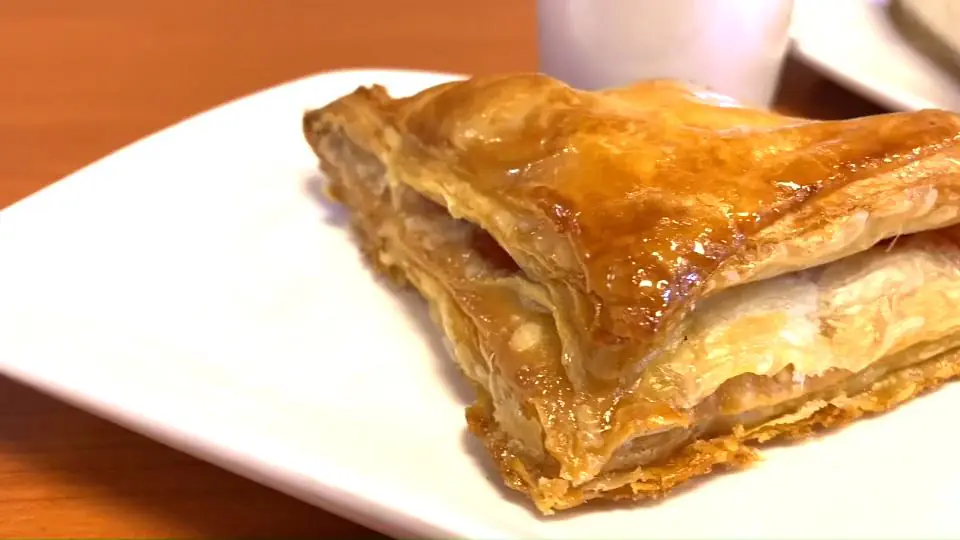
If the bread builds trust, the pastries create memory. Cuban bakeries often shine in the space between dessert and breakfast, where guava, cheese, coconut, custard, puff pastry, and sweet dough all have a place. The best examples are rich, but not cloying. They are built around contrast, crisp and tender, sweet and salty, fruity and buttery.
Guava and cheese is the combination that often converts newcomers first. It works because the components keep each other honest. Guava paste brings concentrated fruit sweetness and a floral note. Cream cheese softens that intensity and adds tang. When wrapped in flaky pastry, the result is balanced enough to eat with coffee at 8 a.m. And satisfying enough to pass for dessert after dinner.
Coconut pastries are another category worth paying attention to, especially when they avoid the common mistake of using sweetness to cover dryness. In a well-made version, coconut adds chew, aroma, and a faint toasted quality rather than just sugar. Custard-filled pastries reveal a different skill set. They require timing, restraint, and an understanding of texture. Custard should be set but still supple, never rubbery and never so loose that it collapses the pastry around it.
You can often tell a lot about the bakery’s standards by looking at the pastry case during a busy hour. If turnover is high, the trays will not look overly styled because they do not need to. Freshness becomes the presentation.
Savory staples deserve equal respect
It is easy for casual customers to focus on sweets and miss one of the strongest reasons to visit a Cuban bakery at all: savory food. This is where many bakeries become part of people’s weekly routine rather than an occasional treat.
Croquetas are a perfect example. A proper croquette should have a crisp exterior that yields cleanly to a Cuban bakery Aurora CO creamy interior with a distinct filling, often ham, chicken, or cod depending on the bakery and the day. The challenge is not just flavor. It is frying discipline. Too hot, and the outside darkens before the center is properly heated. Too cool, and the coating absorbs oil and turns heavy. When a bakery gets croquetas right consistently, it usually means the kitchen is paying attention.
Empanadas, meat pies, and stuffed pastries occupy a similar role. They need good dough, yes, but the filling matters even more. The best savory bakery items are seasoned assertively enough to remain interesting when eaten on the run, with coffee, or after a few minutes in a paper bag. Bland fillings do not survive that journey.
Then there are the sandwiches, especially pressed classics made on Cuban bread. A strong bakery sandwich is about proportion. Too much mustard overwhelms. Too little pickles and it loses brightness. Bread that is too thick makes the whole thing bready rather than integrated. Pressing matters as well. It should tighten the sandwich and crisp the surface without crushing the interior into paste.
For lunch, this is often where a Cuban bakery proves its versatility. Someone can pick up a sweet pastry for the office in the morning, return for a pressed sandwich at noon, and stop by again for bread on the way home. Very few food businesses occupy all three moments naturally.
Coffee is not an accessory
Any bakery can set out a drip machine. That is not the same thing as understanding coffee culture. In a Cuban setting, coffee has pace, intensity, and social function. It can be quick and almost ceremonial, taken standing up at the counter, or it can stretch into conversation. Either way, it needs backbone.
Cafecito, cortadito, and café con leche all fill different roles, and a bakery that serves them well tends to earn loyal morning traffic. Cafecito is small but potent, sweetened and concentrated. Cortadito balances espresso with milk, often becoming the right choice for customers who want strength without going fully sharp. Café con leche offers a gentler, longer breakfast cup, especially with toast or a pastry.
There is a practical reason this matters beyond tradition. Rich pastries and savory fried items need coffee that can cut through them. Weak coffee leaves the whole meal feeling flat. Strong, properly handled coffee makes even a quick stop feel complete.
What to order on a first visit
For someone trying a Cuban bakery in Aurora for the first time, the smartest move is not to over-order randomly. Start with a few items that reveal how the bakery handles different textures and techniques.
- Cuban bread or a simple bread-based sandwich
- A guava and cheese pastry
- One savory item such as a croquette or empanada
- A coffee, ideally café con leche or cortadito
- A second pastry that contrasts with the first, such as coconut or custard
That combination gives a clear sense of the bakery’s range. You learn whether the dough is fresh, whether sweet items are balanced, whether frying is disciplined, and whether the coffee program is an afterthought or a point of pride.
Freshness has a schedule, and timing matters
Bakery regulars know something casual visitors often miss: the same shop can feel different at 8:00 a.m., noon, and late afternoon. That is not inconsistency. It is the reality of a business built around fresh production.
Morning is usually the best time for bread and breakfast pastries. The inventory is fullest, the turnover is highest, and the aromas are strongest. Midday can be ideal for sandwiches and savory snacks, especially if the bakery runs a lunch rush that keeps the hot items moving. Late afternoon can still be rewarding, but it depends on the bakery’s production rhythm. Some places bake in smaller waves throughout the day. Others front-load their output in the morning, which means your favorite pastry may be gone by three.
If you are hunting for a specific item, ask. Good bakery staff know their own schedule. They can tell you when fresh trays usually come out, whether authentic Cuban bakery Aurora a certain bread sells out fast, and which day brings the strongest selection. That small conversation often makes the difference between a good visit and a great one.
Why local bakeries matter in a city like Aurora
Aurora’s food identity comes from variety, but variety alone does not create belonging. What does that is repetition. It is the place where the person behind the counter starts to recognize your order. It is the box of pastries taken to a family gathering because everyone already knows what is inside. It is the bread you pick up for a weekend lunch because it has become part of the routine.
A Cuban bakery can anchor that kind of habit because it offers both necessity and pleasure. Bread is practical. Coffee is daily. Pastries are generous without requiring a special occasion. Savory snacks travel well. The prices, at least in well-run bakeries, usually encourage regular visits rather than once-a-month splurges.
There is also a cultural function here that deserves respect. Neighborhood bakeries often preserve food traditions in the most ordinary, meaningful way. Not through lectures or branding, but through repetition and standards. A younger customer learns what a guava pastry should taste like because they have eaten it since childhood. A newcomer learns because a friend orders one and says, try this while it is still warm. That is how food culture survives.
The small details that separate good from forgettable
People often talk about authenticity in broad strokes, but quality usually lives in small decisions. Is the puff pastry shattering or soggy? Is the sandwich pressed enough to unify the fillings? Does the bakery replace trays as they age, or let them linger too long? Is the bread made for display or for actual eating?
Even packaging tells part of the story. A flaky pastry jammed into a container that traps steam will lose its edge fast. Bread bagged too early can soften before it reaches the customer. Hot savory items placed carelessly can turn greasy on the ride home. These are not glamorous details, but they are the practical side of professionalism.
Staff knowledge matters too. In the best bakeries, someone can explain the difference between two similar pastries without making the interaction feel formal. They can tell you whether an item is best eaten immediately or reheated later. They know which breads work best for sandwiches and which sweets pair naturally with stronger coffee. That kind of competence reflects a business that values repeat customers.
Bringing bakery food home without losing the magic
Bakery food is at its best close to the point of purchase, but that does not mean it cannot travel well if handled properly. Bread should be left partially uncovered until it cools if it is still warm when purchased. Otherwise the crust softens too quickly. Flaky pastries are best eaten within a few hours, though a brief reheat in the oven can help, as long as you avoid the microwave, which tends to flatten texture and turn crisp layers limp.
Savory items can usually be refreshed effectively with dry heat. A toaster oven works especially well for croquettes, empanadas, and pressed sandwiches that need a little life brought back into the exterior. Coffee, of course, is a different matter. If it was made properly, it should be drunk promptly. Some things simply do not wait.
That may sound strict, but it is really part of what makes the experience satisfying. Bakery food asks for a little attention in exchange for a lot of reward.
Finding the right Cuban bakery in Aurora
Search results can only tell you so much. Reviews are useful, but they often blur together, and bakeries are especially vulnerable to mixed expectations. One customer may care most about espresso. Another may judge everything by the bread. Another may only visit in the late afternoon and complain that the best items are sold out, which can actually be a sign that the bakery is doing things right.
A better approach is to visit with a clear eye. Look at turnover. Listen to what regulars are ordering. Notice whether the bakery smells active or merely sweet. Pay attention to whether the savory items look maintained or abandoned. If possible, try one plain item and one more elaborate one. Plain bread reveals more than a heavily dressed pastry ever will.
For many people typing Cuban bakery Aurora CO into a search bar, the real goal is not simply finding food. It is finding a place worth folding into their routine. The bakery that earns that role will usually do so through consistency rather than spectacle. The bread will be fresh more often than not. The pastries will show restraint. The coffee will make sense with the food. The counter will move with purpose. And after two or three visits, the place will start to feel less like a discovery and more like a solution.
That is what a strong local bakery offers. Not just sweetness, not just nostalgia, not just lunch. It offers reliability with character, which is harder to achieve than it sounds. In a city as layered and fast-moving as Aurora, that kind of place tends to matter. Fresh bread, good pastries, proper coffee, and savory food that holds up in the real world never go out of style.
Cuba Bakery & Café
15028 E Mississippi Ave, Aurora, CO 80012
+1 303-752-2822
FAQ About Cuban bakery Aurora CO
What are Cuban pastries called?
Many small Cuban pastries are called pastelitos. They can have sweet or savory fillings, such as guava, cheese, guava and cheese, or seasoned meat. Cuba Bakery & Café lists guava, cheese, guava-and-cheese and beef pastries on its menu. Ask the bakery about current availability and ingredients when ordering.
What are traditional Cuban pastries?
Common Cuban bakery choices include flaky pastelitos filled with guava, cheese or meat. Cuban bakeries may also offer empanadas, breads and desserts alongside coffee. Cuba Bakery & Café lists pastelitos, several empanada fillings, pan Cubano and desserts such as tres leches and bread pudding. Selection can vary, so confirm the day's choices with the bakery.
What makes Cuban bread different?
Cuban bread is known for its light interior and a thin crust that becomes crisp when toasted or pressed. Traditional recipes often use lard, although ingredients vary by baker. It is commonly served as buttered toast or used for Cuban sandwiches. Cuba Bakery & Café lists pan Cubano and tostada on its menu; ask staff about the ingredients in their bread if you have dietary restrictions.